
Ashtanga Vinyasa Yoga in the tradition of Sri K. Pattabhi Jois
A healing practice for body and mind—steeped in tradition, grounded in science.
Ashtanga Vinyasa Yoga is an ancient practice to grow the physical, mental and spiritual body. It is a long lineage which goes back to the father of modern yoga, Tirumala Krishnamacharya who revolutionised how Yoga was taught. He believed that yoga could be used to prevent and heal diseases and he emphasised the therapeutic nature of yoga as a healing modality for everyday people.
Sri K. Pattabhi Jois met Krishnamarcharya when he was only 12 years old and immediately became his student. He dedicated his life to study with his teacher and was awarded a Professorship at the Sanskrit College of Mysore. In 1948 Pattabhi Jois established the Ashtanga Yoga Research Institute to teach yoga and to further continue his research on this system. The first Western student arrived in 1964 and only a few years later Nancy Gilgoff and David Williams found their way to Pattabhi Jois in 1973. A handful of students grew into thousands of people who traveled to Mysore to learn from Pattabhi Jois and soon Ashtanga Vinyasa Yoga was practiced all around the world.
It is an honour to continue this lineage by practicing, studying and teaching this ancient system.
Om Asato Maa Sad-Gamaya |
Tamaso Maa Jyotir-Gamaya |
Mrtyor-Maa Amrtam Gamaya |
Om Shaantih Shaantih Shaantih ||
A Healing Practice
Ashtanga is a powerful method for healing and personal transformation. People of any age and ability can practice Ashtanga and reap the benefits, as long as they are sincere and consistent in their efforts.
Its a dynamic practice to purify the body, improve circulation and create calmness of the mind.
The Ashtanga syllabus consists of three sequences. The “Primary Series” (Yoga Chikitsa) detoxifies and aligns the entire body. The “Intermediate Series” (Nadi Shodana) purifies the nervous system by means of opening and releasing the energy channels. The Advanced Series (Sthira Baga) can be translated as ‘strength and grace’. It requires higher physical levels of flexibility and strength, guiding the practitioner to a steady and happy self.
Breath – the heart of the practice
‘Natural breathing with sound’
The breath is continuous and deep during the whole practice to ensure efficient circulation of blood and to build internal heat. The sound of the breath keeps the mind focused and is a useful indication of the quality of the practice.
It is a continuous breath that is synchronised with the vinyasa count. With regular practice the breath becomes longer and the inhale and exhale have an even and steady pace.
Drishti & Bandhas
Drishti is a soft focused gaze. Each posture has a particular drishti which increases concentration (dharana) and helps to withdrawal our senses (pratyahara) from outside distraction. It enhances the physical practice by directing the energy in a focused way, controls the wandering mind and directs it inwards.
Bandhas are muscular contractions within the body which help to direct the internal flow of prana – life energy. The most important bandhas in Ashtanga Yoga are Mula Bandha, Uddiyana Bandha and Jalandhara Bandha (pranayama only).
The correct movement in and out of postures will automatically engage the bandhas.
Vinyasa
Ashtanga Vinyasa Yoga is practiced as a continues flow. The transitions from one posture to the next are called Vinyasa, ‘breath synchronised movement’. Each move connects with an inhale or exhale directing the internal energy in the most beneficial way.
Practising the sequences in the correct order with the help of vinyasa’s will unlock the healing and transformative power of Ashtanga.
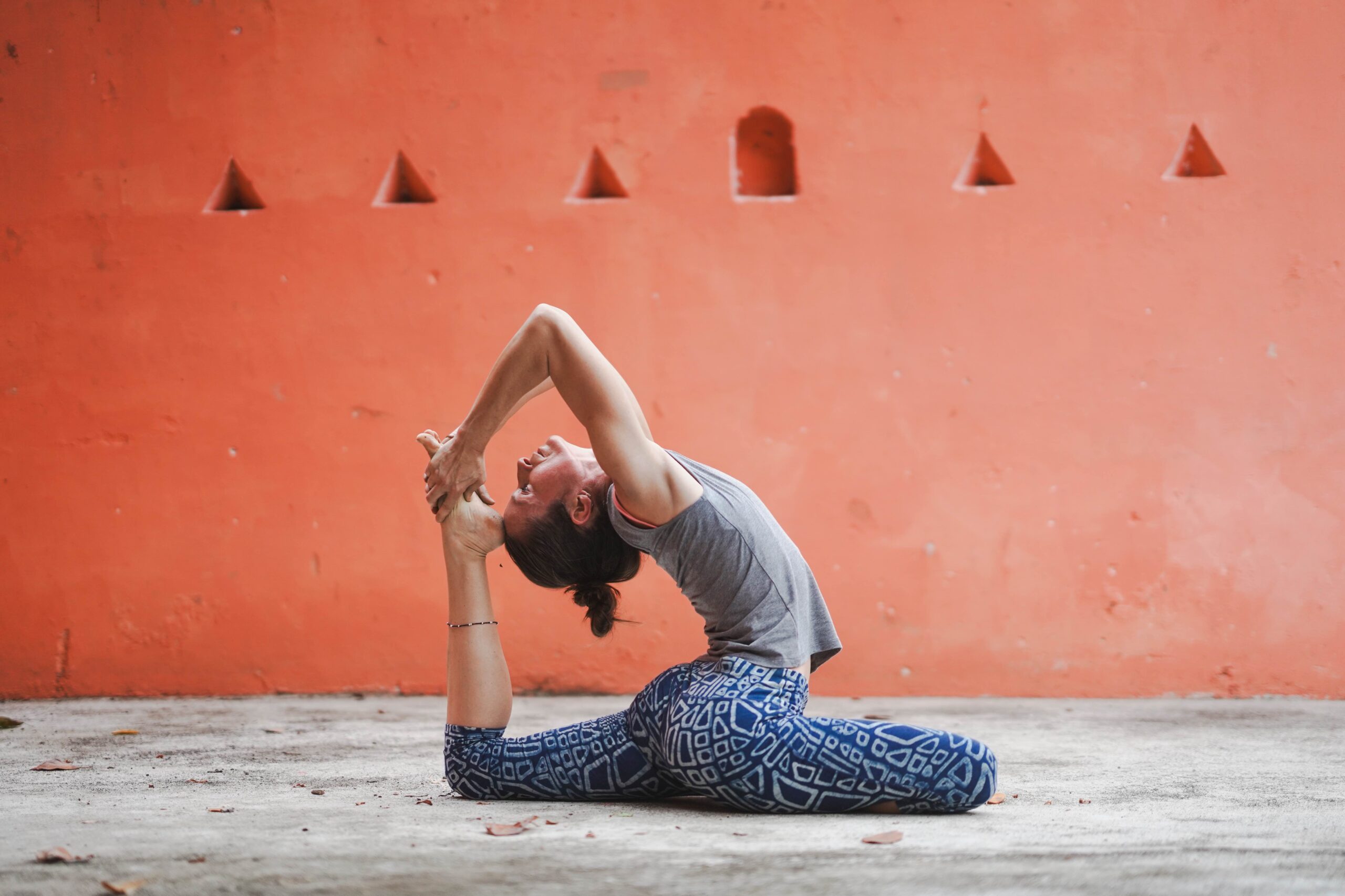
Ashtanga – a system of 8 limbs
Ashtanga literally means eight limbs which are described by the Sage Patanjali in the Yoga Sutras.
Yama (moral codes)
Niyama (self purification with discipline)
Asana (postures)
Pranayama (breath control)
Pratyahara (Sense withdrawal)
Dharana (concentration)
Dhyana (meditation)
Samadi (superconsiousness)
These branches support and reinforce each other. Asana practice must be established for proper practice of Pranayama. Yama and Niyama are integral part of the method and eventually flow into all areas of life. Once the first four limbs are firmly rooted, the last four, which are internally oriented limbs, can evolve.